

What does UCIRI to preserve the environment?
The larger project UCIRI regarding the environment is the application of organic agriculture.
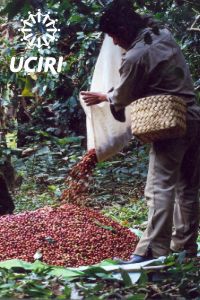
UCIRI vision towards the environment:
Our ancestors, not exploiting nature but that related to her with great affection and respect, collectively appropriating the resources the land, plants and animals they offered for their survival.
In UCIRI value nature as giver of life, such as physical sustenance and welfare principle.The more we know the fine details and get what she needed to survive.
Since the nineties, we realized that in recent times we have been forgetting all this wisdom and let ourselves be deceived by the modern world, which only cares about the accumulation and profit, exploiting and destroying nature, and most beautiful of all it: the human landscape.
That's why we want to recover in UCIRI forms of relationship with our environment, as did our ancestors and appropriate ways to adapt to our circumstances, to effectively help our earth to keep it for Life.
So we learn and work cultural work of the organic, because for us, the earth is the mother who nourishes and strengthens us. To us to care for, cultivate and defend it, because it is a heritage that we have provided for our children.
What the earth shall: be pain for the children, their joys and welfare will be the dignity of the humble of this earth. The land is not of man, men are from earth.
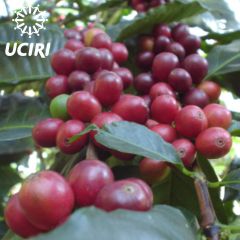
We have been learning and gaining experience for 19 years that we work cultural work to convert our natural organic coffee plantations.
These works, bring economic benefits for consumers are demanding higher quality products that are healthy and free of contaminants and many consider that an investment in health is not spared prices.
We have seen that can be produced with greater efficiency and lower costs even under conditions of small-scale agriculture. So we have a demand and appreciation of our products that are differentiated by the consumer and sold at a reasonable price level.The combinations of these elements has been a stimulus to promote organic farming.
Not the agricultural progress that transforms the peasant. It is the farmer who transformed agriculture and held that advance.
The challenge of rural production will be resolved when governments aware that the peasant is the subject of development and not an instrument of it.